Guides
Land tax in every state, explained with real numbers
Who pays land tax, the thresholds in each state and territory, and what an investor pays a year on land worth A$400,000 to A$1.2 million.
- 13 November 2026
- 5 min read
The short version
- Land tax is a yearly state tax on land you own that is not your home. Your own home is exempt in every state.
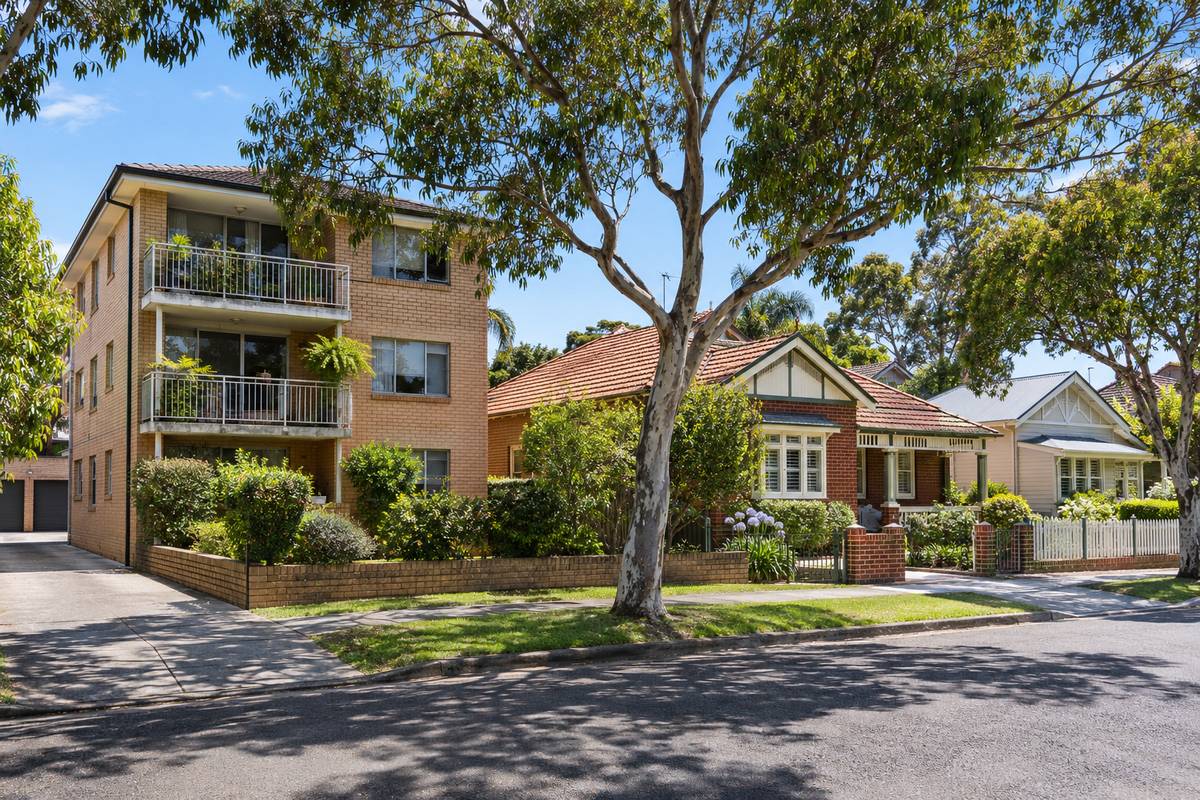
- It is charged on the land value, not the price you paid. A house on a big block can pay more than a dearer unit.
- The thresholds are very different. A Victorian investor pays from A$50,000 of land value. In New South Wales the line is A$1,075,000.
- The ACT taxes every rented home, with no threshold. The Northern Territory has no land tax.
How it works
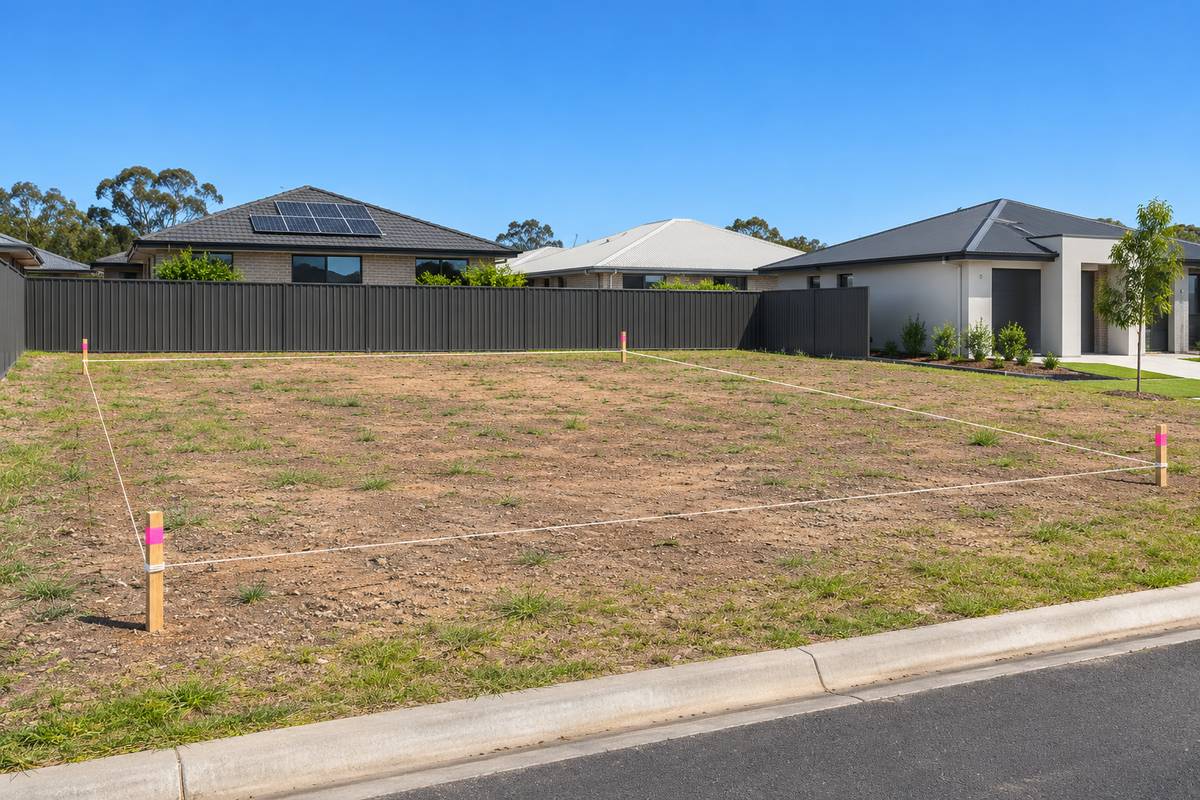
Each state values your land every year (the land, site or unimproved value) and adds up all the taxable land you own in that state. The tax comes from a sliding scale on that total. Land you own in another state is taxed separately, under that state’s scale.
That is why one investment property is often cheap and a second one in the same state costs more: the total crosses into a higher band.
The thresholds
These are the general rates for an individual owner in 2026 or 2026-27. Trusts, companies and foreign owners usually pay more.
| State | Taxable from | Then |
|---|---|---|
| Victoria | A$50,000 site value | A$500 flat to A$100,000, A$975 to A$300,000, then A$1,350 plus 0.3% and rising bands |
| New South Wales | A$1,075,000 (average of 3 years of values) | A$100 plus 1.6% of the value above it |
| Queensland | A$600,000 | A$500 plus 1% above it, 1.65% from A$1 million |
| South Australia | A$936,000 | 0.5% above it, rising to 1% from A$1,504,000 |
| Western Australia | A$300,000 unimproved value | A$300 flat to A$420,000, then 0.25% and rising bands |
| Tasmania | A$125,000 | A$50 plus 0.45%, 1.5% from A$500,000 |
| ACT | every rented home | A$1,778 fixed charge plus a rate on the average unimproved value |
| Northern Territory | no land tax |
What one investment property pays
The land value of a typical house is roughly half its price, often more in inner suburbs and less for units. Here is the tax a year on one holding, using the scales above:
| Land value | VIC | NSW | QLD | SA | WA | TAS | ACT |
|---|---|---|---|---|---|---|---|
| A$400,000 | A$1,650 | nil | nil | nil | A$300 | A$1,288 | A$4,938 |
| A$600,000 | A$2,250 | nil | nil | nil | A$750 | A$3,238 | A$7,418 |
| A$800,000 | A$3,450 | nil | A$2,500 | nil | A$1,250 | A$6,238 | A$9,898 |
| A$1,200,000 | A$6,450 | A$2,100 | A$7,800 | A$1,320 | A$3,550 | A$12,238 | A$14,878 |
Perth’s metropolitan area adds the Metropolitan Region Improvement Tax, which lifts the WA figures a little (for example A$1,170 instead of A$750 at A$600,000).
Why it matters for cashflow
Land tax is one of the costs that turns a positive cashflow negative. On a Victorian house with A$600,000 of land, A$2,250 a year is about A$43 a week. In the ACT the same land costs about A$143 a week. Our suburb pages put an estimate for the right state into the investment calculator, so you can see it next to the rent and the loan.
Things that change your bill
- Owning more land in the same state pushes your total into higher bands.
- How you own it. Trusts and companies have lower thresholds or surcharges in most states.
- Foreign owners pay a surcharge in most states.
- Your home is exempt, and so is primary production land, in every state.
- Valuations move. Your bill follows the yearly land value, not the market price on any one day.
Check your own figure
Your state revenue office sends the notice and has a calculator. Our numbers are estimates for one property owned by one person, to help you compare suburbs and states before you buy.
This is general information, not tax advice.